
Evaporative cooling is a fundamental thermodynamic process utilized extensively in modern agriculture to maintain optimal thermal conditions within livestock and poultry environments. As global temperatures continue to fluctuate with increased frequency and intensity, understanding the mechanics, limitations, and management of these systems is essential for preventing heat stress and maintaining production efficiency.
This guide provides a technical overview of evaporative cooling, focusing on the physical principles that govern its operation, the importance of precise environmental monitoring, and the integration of artificial intelligence for automated climate control.
The Physical and Mathematical Foundations of Evaporative Cooling
To manage an evaporative cooling system effectively, one must first understand the exchange of energy that occurs during the process. Evaporative cooling is an adiabatic process, meaning that the total heat (enthalpy) of the air remains constant while the form of that heat changes.
The Conversion of Heat
The cooling effect is achieved through the conversion of sensible heat: the heat that can be measured by a thermometer: into latent heat. When water is introduced into a warm air stream, it requires energy to transition from a liquid state to a gaseous state. This energy, known as the latent heat of vaporization, is extracted from the air itself. As a result, the air temperature drops while its moisture content increases.
The Efficiency Ratio
In technical terms, the efficiency of an evaporative cooling system (often referred to as saturation effectiveness) is defined as the percentage of the temperature drop achieved relative to the maximum possible drop. The theoretical limit for cooling is the wet-bulb temperature of the ambient air. A system operating at 80% efficiency signifies that it has successfully closed 80% of the gap between the dry-bulb (actual) temperature and the wet-bulb temperature.
Thermal Impact and Psychrometrics
The relationship between water evaporation and temperature reduction is governed by psychrometrics. Quantitatively, for every gram of water evaporated into a kilogram of dry air, the air temperature is reduced by approximately 2.5°C. This ratio underscores why the initial humidity of the air is the primary limiting factor for system performance; as the air approaches saturation (100% relative humidity), the capacity for further evaporation: and thus further cooling: diminishes to zero.
System Components and Operational Mechanics
Evaporative cooling systems in agricultural settings generally fall into two categories: evaporative cooling pads (CoolCells) and high-pressure misting systems.
Evaporative Cooling Pads (CoolCells)
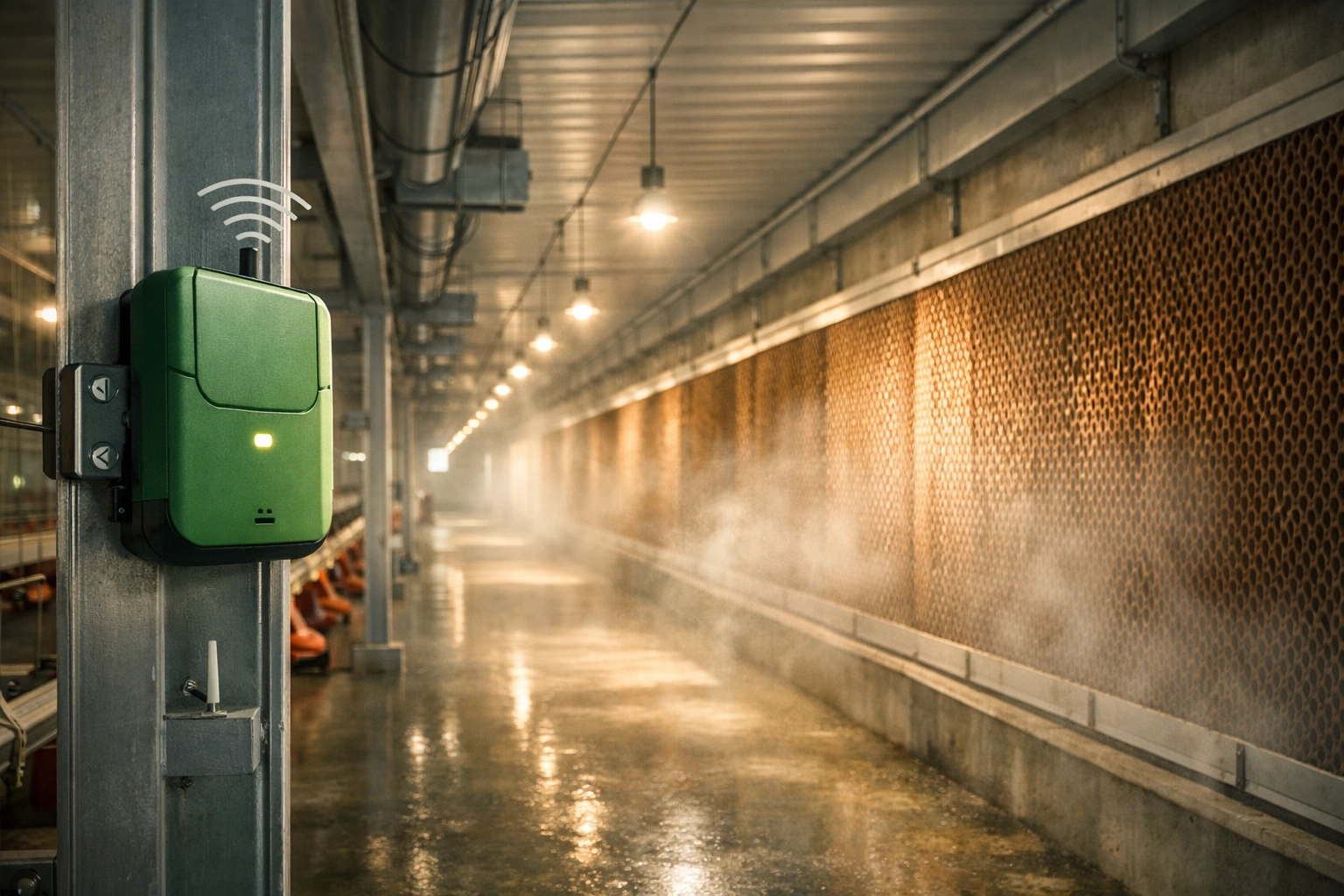
Cooling pads are typically installed at one end of a building, with exhaust fans located at the opposite end. As the fans operate, they create a negative pressure environment that pulls outdoor air through the saturated pads.
- Media Composition: Pads are usually constructed from cross-fluted cellulose or plastic materials designed to maximize the surface area for water-to-air contact.
- Water Distribution: A pump circulates water to the top of the pads, where it is distributed evenly. Excess water is collected in a trough and recirculated.
High-Pressure Misting Systems
Unlike pads, misting systems inject water directly into the air stream using high-pressure nozzles (typically 400 to 1000 PSI). The high pressure creates ultra-fine droplets that evaporate before reaching the floor or the animals. These systems are highly flexible but require rigorous water filtration to prevent nozzle blockage.
The Critical Role of Static Pressure and Airflow
A common misconception in ventilation management is the relationship between static pressure and air leaks. It must be noted that air infiltration through leaks, such as structural cracks or poorly sealed doors, is driven by static pressure that is too high, not too low.
When the exhaust fans create a negative pressure that is excessively deep (high static pressure), the air will naturally follow the path of least resistance. If the resistance through the cooling pads is high: due to scaling, dust buildup, or improper sizing: the air will bypass the cooling media through any available gap. This "short-circuiting" results in uncooled, warm air entering the barn, which can create hot spots and significantly compromise the welfare of the livestock. Maintaining the static pressure within the manufacturer’s recommended range ensures that the majority of the incoming air is forced through the cooling media.
Environmental Monitoring and AI Integration
The effectiveness of evaporative cooling is not static; it changes every minute as outdoor humidity and temperature fluctuate. Manual management is often insufficient to respond to these rapid changes.
Precision Sensing with emBreath
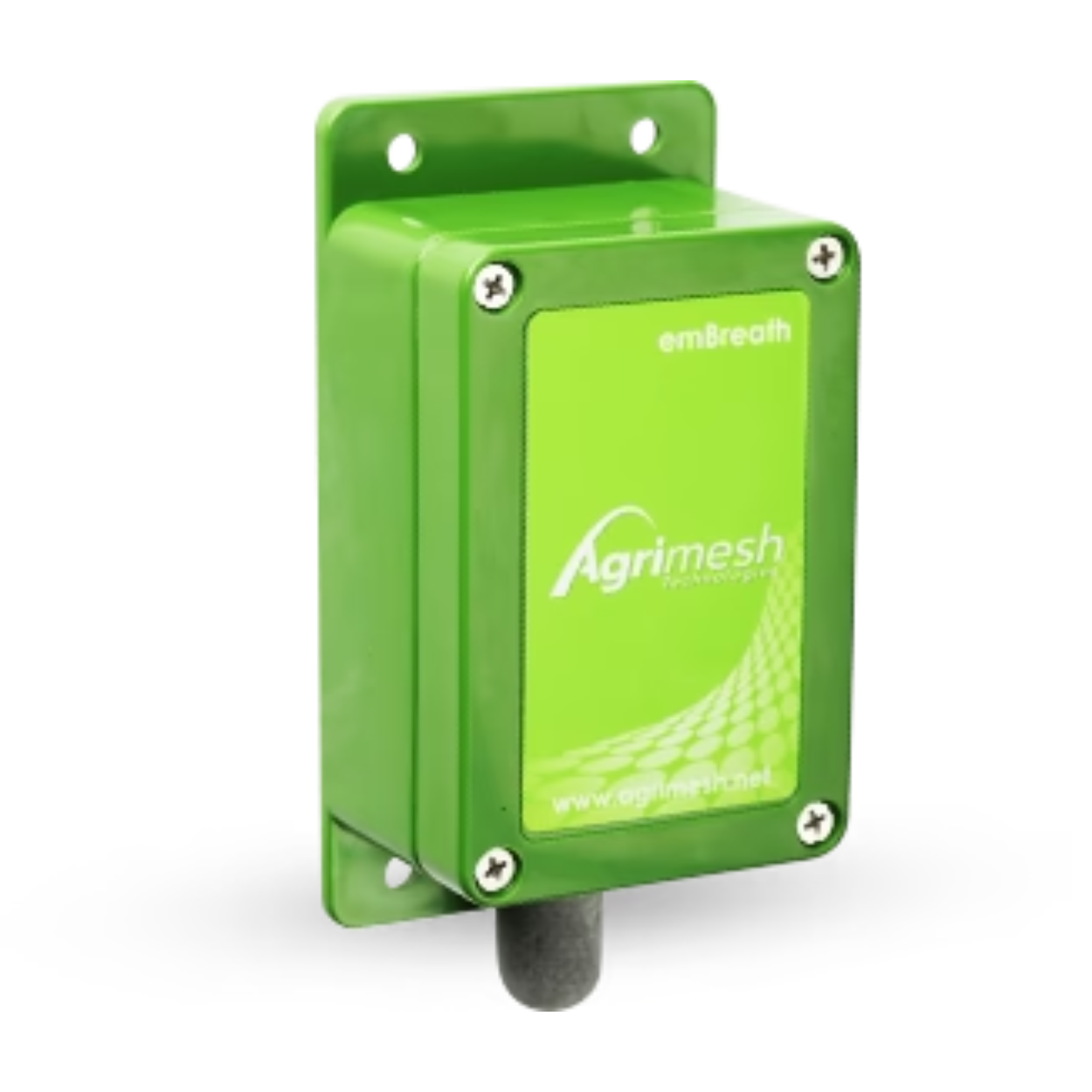
Reliable data is the foundation of any cooling strategy. Sensors such as the Agrimesh emBreath are used to continuously monitor temperature and relative humidity. By tracking these variables in real-time, the system can calculate the current wet-bulb temperature and determine exactly when to activate or deactivate the cooling pumps.
Automated Control via Agrimesh HubX
The Agrimesh HubX acts as the central intelligence unit for the farm. It processes data from the emBreath sensors and utilizes AI algorithms to manage the cooling system.
- Staged Activation: Instead of a simple on/off switch, the AI can stage the wetting of the pads to prevent a sudden spike in humidity.
- Humidity Overrides: If the indoor relative humidity exceeds a safety threshold (typically 80-85%), the system can automatically deactivate the pumps to prevent "respiratory heat stress," where the animals can no longer cool themselves through panting because the air is too saturated.
- Fan Coordination: The HubX ensures that fan speeds are optimized to maintain the correct static pressure, ensuring air moves through the pads at the ideal velocity for maximum evaporation.
Maintenance Procedures for Peak Performance
To ensure the system is ready for heatwaves, a rigorous maintenance schedule must be followed. Failure to maintain the system results in a direct loss of cooling capacity.
- Scale and Mineral Management: As water evaporates, minerals are left behind. These deposits (scale) restrict airflow and reduce the surface area available for evaporation. Regular "bleed-off" or flushing of the recirculating water is necessary to maintain low mineral concentrations.
- Algae Control: Cooling pads are susceptible to algae growth if they remain wet 24/7. It is recommended to allow the pads to dry completely once every 24 hours, typically during the cooler night hours, to inhibit biological growth.
- Nozzle Inspection: For misting systems, nozzles should be checked for wear and clogging. A partially clogged nozzle produces larger droplets that may fail to evaporate, leading to wet bedding and increased ammonia levels.
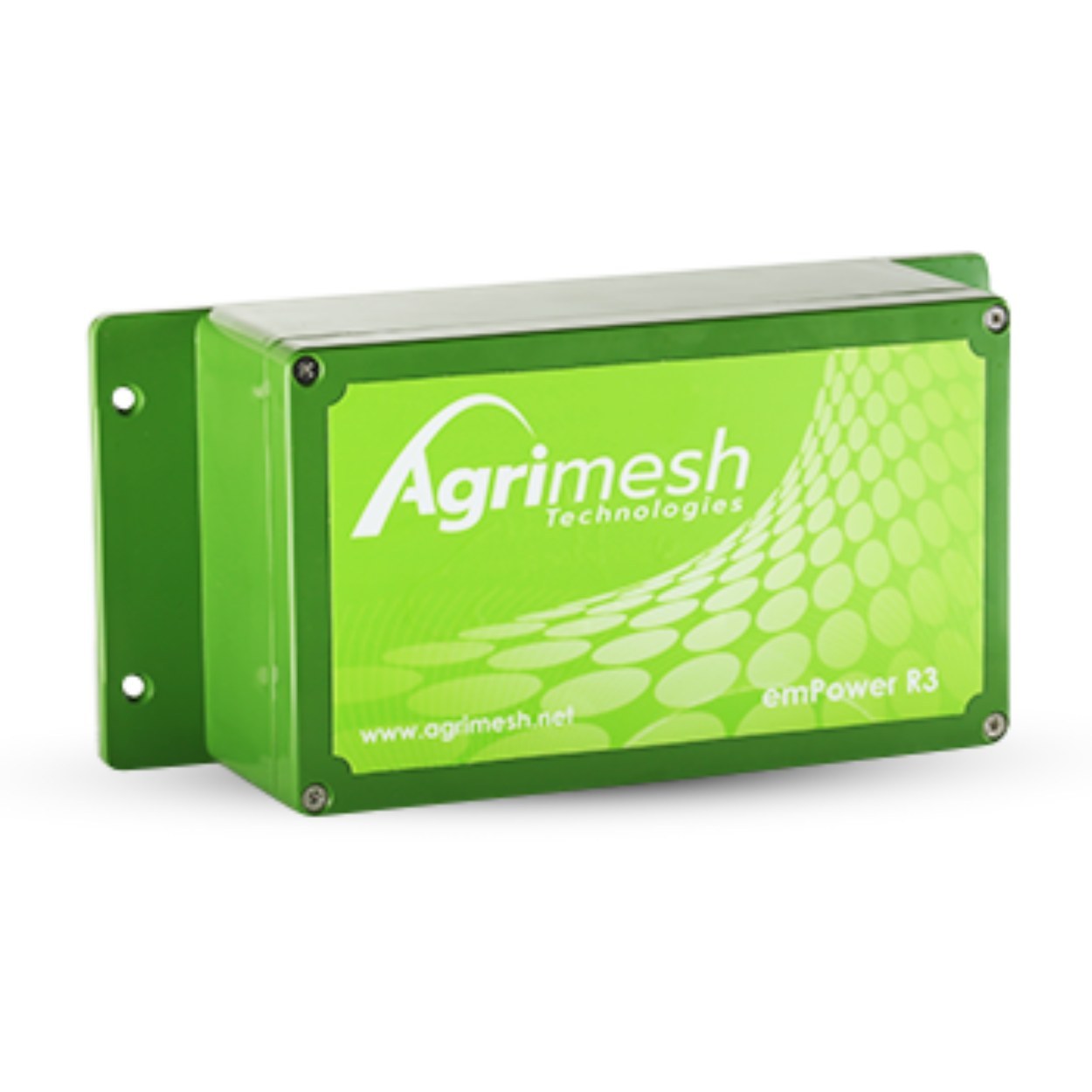
- Pressure Checks: Regularly verify that the static pressure sensors are calibrated. This ensures that the emPower R3 or other control modules are receiving accurate data to adjust inlets and fans accordingly.
Psychrometric Limitations and Climate Considerations
Evaporative cooling is most effective in arid or semi-arid climates. In regions with high ambient humidity, the "cooling window" (the difference between dry-bulb and wet-bulb temperatures) is narrow. For instance, if the outdoor temperature is 30°C and the relative humidity is 70%, the maximum theoretical cooling is significantly lower than if the humidity were 30%.
In high-humidity environments, the system must be managed with a focus on air velocity. When evaporative cooling reaches its physical limit, increasing the air speed over the animals (the wind-chill effect) becomes the primary method of heat dissipation. The Agrimesh system handles this transition seamlessly by shifting priority from pump management to fan speed optimization as humidity levels rise.
Conclusion
Evaporative cooling is a reliable and energy-efficient method for thermal regulation in agricultural buildings, provided it is managed with scientific precision. By understanding the transition from sensible to latent heat and maintaining strict control over static pressure, producers can significantly mitigate the risks associated with heatwaves.
Integration with AI-driven platforms like the Agrimesh HubX and precision sensors like the emBreath removes the guesswork from climate management. These technologies ensure that the cooling system operates only when beneficial, preventing excess humidity and ensuring that every drop of water contributes to the thermal comfort and productivity of the animals.
For more information on optimizing your ventilation and cooling infrastructure, visit our technical documentation or explore the benefits of AI-powered farming.
