
Most farmers didn't sign up to become software engineers. Yet every time you face a traditional barn controller, that's exactly what you're being asked to do: navigate complex menus, adjust cryptic parameters, and hope you didn't just program your way into a costly mistake.
The reality? You're running a livestock operation, not writing code. But legacy control systems don't see it that way.
The Hidden Time Tax
Setting up a new barn controller isn't a quick task. Initial configuration typically requires 4 to 8 hours of focused work. You need to input equipment specifications, define temperature curves, set ventilation stages, program alarm thresholds, and configure seasonal adjustments.
That's just the beginning.
Once the barn is operational, you'll spend another 2 to 3 hours per week making adjustments. Weather changes. Animal age progresses. Equipment behavior shifts. Each requires menu navigation, parameter tweaking, and testing to ensure the changes work as intended.
Do the math: that's between 100 and 150 hours per year, per barn. For a producer with multiple facilities, the time investment multiplies quickly. Those hours could be spent monitoring animal health, improving biosecurity protocols, or simply reducing the constant mental load of farm management.
When Programming Goes Wrong
The cost isn't just time. It's the risk of error: and the consequences that follow.
Dead Band Disasters
Dead bands control the temperature range within which equipment remains inactive. Set the dead band too narrow, and your heating and cooling systems cycle rapidly. Furnaces fire up, shut down, fire up again. Fans turn on and off in quick succession.
This rapid cycling reduces equipment lifespan significantly. Furnace igniters wear out prematurely. Fan motors overheat. Energy consumption increases as systems never reach efficient operating conditions.
A common scenario: a producer sets a 2°F dead band thinking tighter control equals better comfort. Instead, they're replacing a furnace igniter every three months and facing unexplained spikes in their electricity bill.
The Winter Humidity Trap
Winter brings a dilemma. Ventilation removes moisture but also removes heat. Heat costs money. The tempting solution? Cut back on minimum ventilation to reduce heating expenses.
The result: moisture accumulation. Condensation forms on walls and ceilings. Wet bedding increases ammonia production. Respiratory issues emerge in the flock or herd. What seemed like a cost-saving measure becomes a health crisis: and a more expensive problem to solve.
Traditional controllers require manual adjustment of minimum ventilation rates based on outside temperature and humidity. Miss those adjustments, and you're either wasting heat or compromising air quality.
Static Pressure Confusion
Static pressure management is critical for barn airflow. Air inlets must create the correct pressure differential to ensure proper air mixing and distribution.
When static pressure is too high, the vacuum effect becomes excessive. Air is pulled forcefully through every crack, gap, and imperfect seal. Door frames whistle. Unsealed penetrations become sources of uncontrolled cold air entry. Instead of controlled inlet mixing, you have drafts hitting animals directly.
Conversely, when pressure is too low, incoming air lacks velocity. It drops immediately rather than projecting across the barn ceiling for proper mixing. Cold air settles on animals instead of warming as it moves through the space.
Calculating correct fan operation to maintain target static pressure requires understanding of inlet area, fan capacity curves, and seasonal adjustments. Get it wrong, and you're either freezing animals or wasting energy fighting air leaks.
The Equipment Battle
Perhaps the most frustrating error: programming heating and cooling to work against each other. This happens when temperature setpoints and stage transitions aren't properly coordinated.
A furnace activates to raise temperature. Simultaneously, because the ventilation curve wasn't adjusted, fans ramp up based on a separate logic. The barn becomes a battlefield where heating equipment fights ventilation equipment, both running at capacity, both wasting energy.
The producer notices high utility bills but may not immediately identify the cause. The barn might maintain acceptable temperature: at triple the energy cost.
The Agrimesh Difference
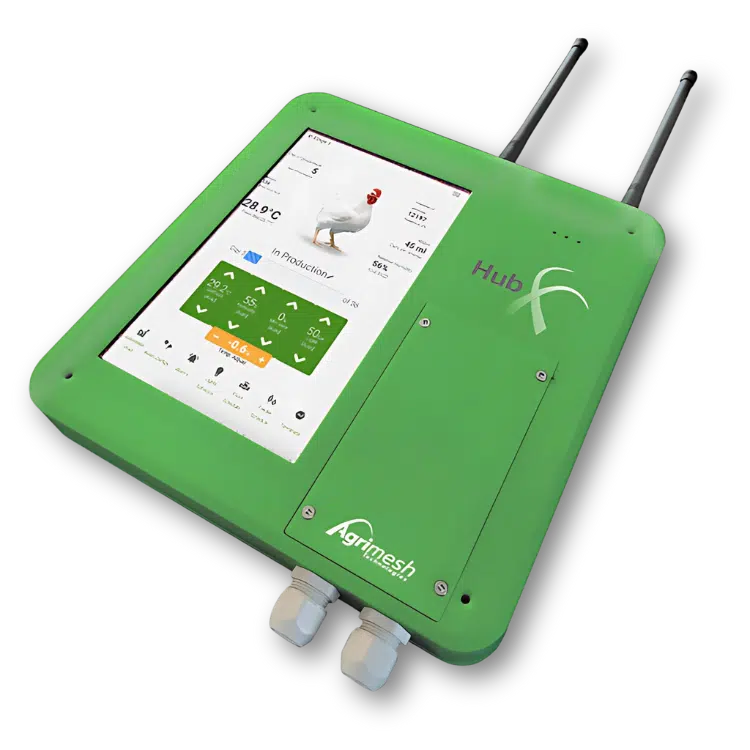
Farm automation shouldn't require a programming degree. Agrimesh takes a fundamentally different approach: AI that thinks like a livestock manager, not like a control engineer.
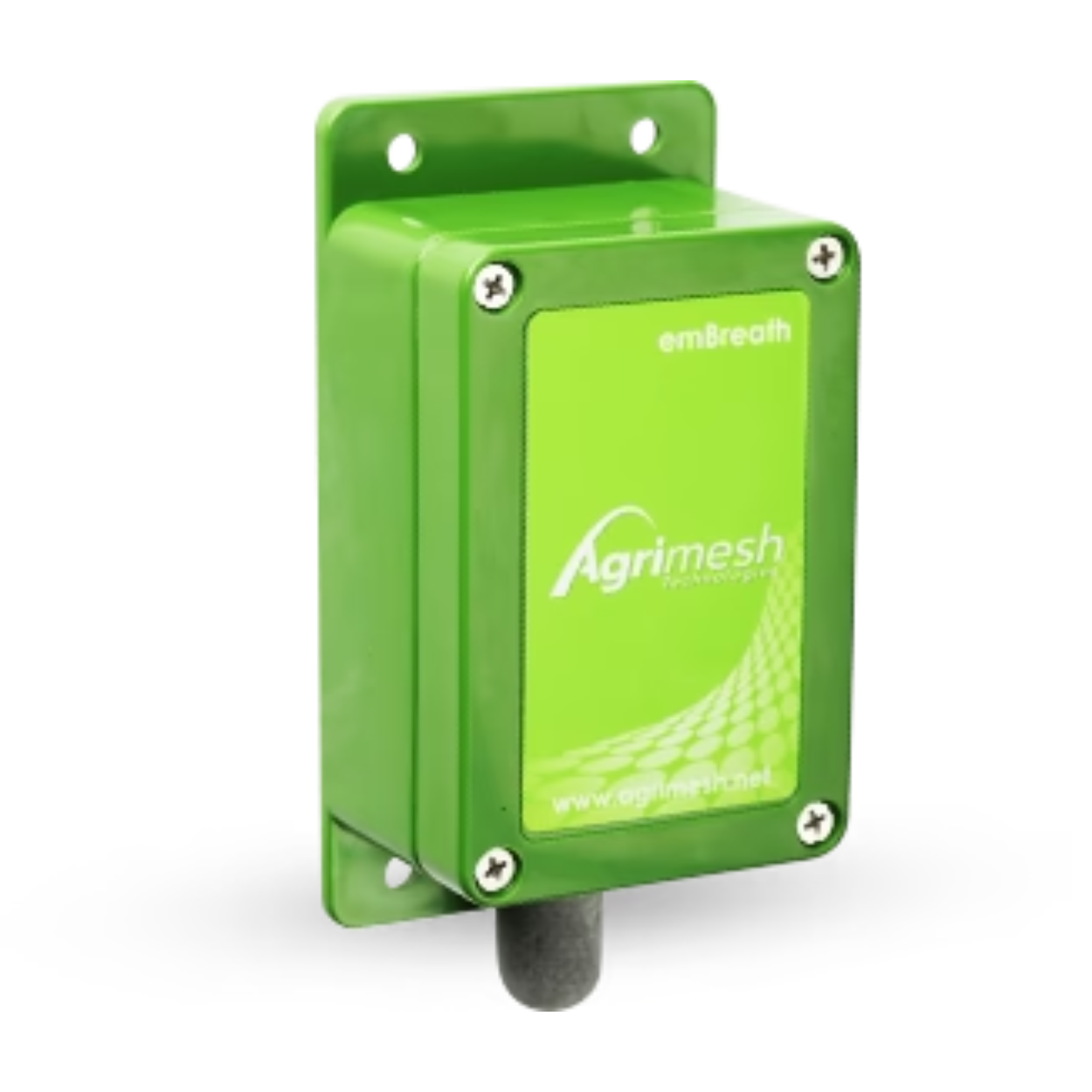
The system monitors real-time data from sensors throughout the barn. Temperature, humidity, CO2, ammonia, static pressure: all tracked continuously. The AI then makes decisions based on actual conditions, not pre-programmed assumptions.
No more manually adjusting minimum ventilation for winter. The AI detects rising humidity and increases airflow as needed while optimizing heat retention.
No more dead band errors causing equipment cycling. The AI manages transitions smoothly, prioritizing animal comfort and equipment longevity over rigid temperature bands.
No more fighting between heating and cooling. The AI coordinates all systems toward a single goal: optimal barn conditions at minimum energy cost.
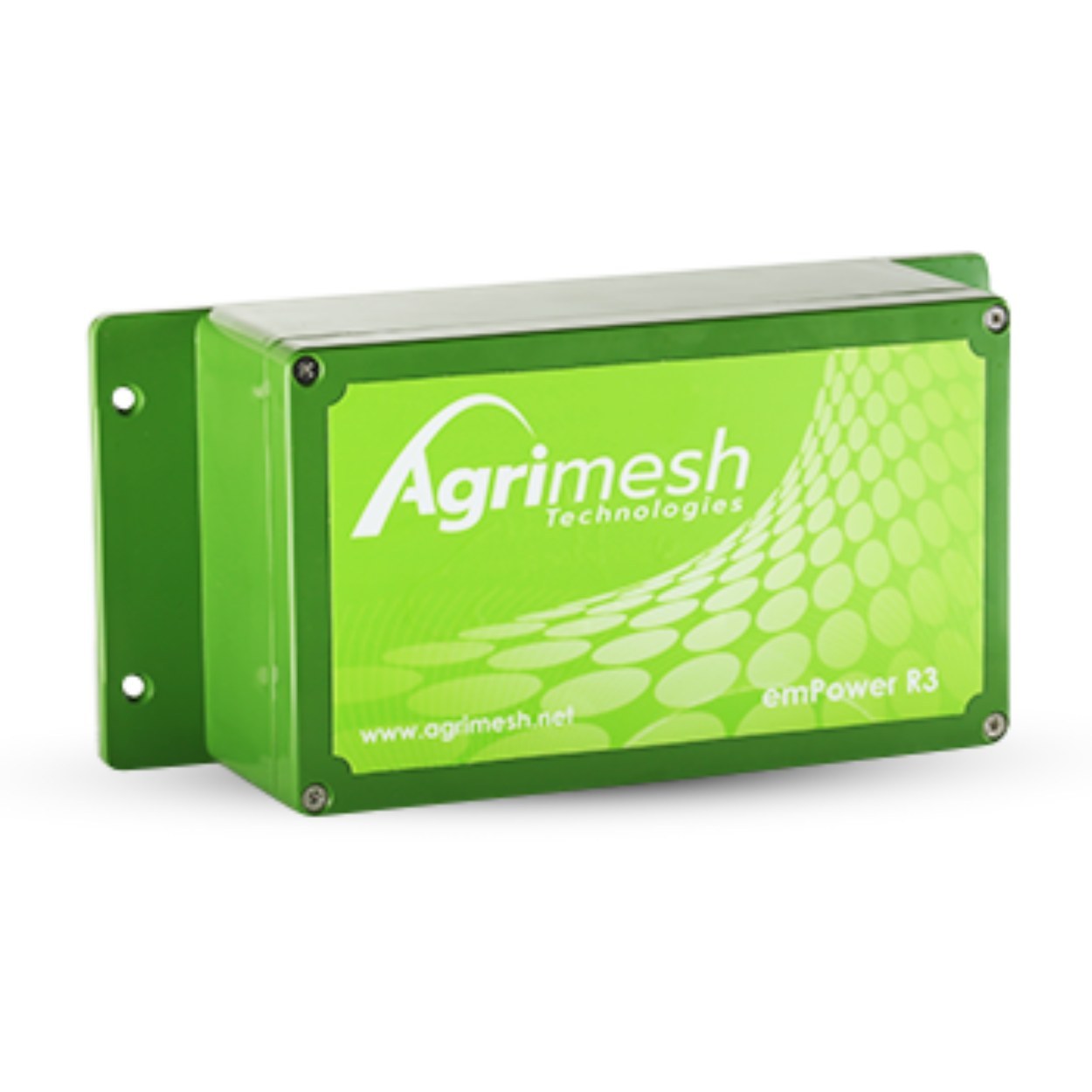
Setup becomes straightforward. Define your barn layout and equipment. The AI handles the complexity from there. Weekly adjustments? The system self-corrects based on data, not guesswork.
The result: you manage livestock, not controller menus. Those 100+ hours per year get redirected to what actually matters: animal health, growth performance, and operational efficiency.
The Real Cost of DIY Programming
Traditional controllers place an unreasonable burden on producers. The expectation that you'll master HVAC engineering, control logic, and troubleshooting: on top of animal husbandry, biosecurity, labor management, and business operations: isn't realistic.
Every hour spent in controller menus is an hour not spent observing animal behavior. Every programming error risks animal welfare and profitability. Every seasonal transition requires manual intervention and expertise.
Agrimesh eliminates this burden. The AI continuously optimizes based on current conditions. Seasonal transitions happen automatically. Equipment conflicts are prevented, not troubleshot after the fact.
You check the system to monitor performance, not to reprogram it. Alarms notify you of genuine issues: sick animals, equipment failure: not false triggers from improperly configured thresholds.
Moving Forward
Farm automation technology should reduce workload, not create new specialized tasks. Controllers that require constant programming and adjustment don't serve modern agricultural operations.
The alternative exists. AI-driven systems that learn, adapt, and optimize without manual intervention are operational today. They're proven in commercial barns across multiple livestock sectors.
The question isn't whether you can learn to program a traditional controller. You probably can. The question is whether that's the best use of your time and expertise: and whether the risk of error is acceptable.
For most producers, the answer is clear. Leave the programming to the AI. Focus on what you do best: raising healthy, productive animals.
